



If you have a trip coming up and are just about to tuck your disposable nicotine vape into your suitcase—wait! Can you fly with a disposable vape? This isn’t just another essential. Airlines and the Transportation Security Administration (TSA) have a few strict rules governing how you can fly with an e-cigarette.
The good news is that most airlines allow you to bring nicotine vapes on a plane, but there are specific rules for packing the battery, how much e-liquid is allowed, charging, and use. Here is what you need to know.
Can You Fly with a Disposable Vape?

Here’s your quick answer: Yes, you can generally bring a nicotine vape on a plane. It just needs to stay in your carry-on (never pack it in your checked luggage).
And remember, e-liquid counts as a liquid, so it follows the standard liquids rule. While traveling through the airport and on the plane, your device must also remain turned off.
But those are just the basics. Let’s get into the specific regulations and rules around flying with an e-cig:
E-cigarettes live in your carry-on only, no exceptions
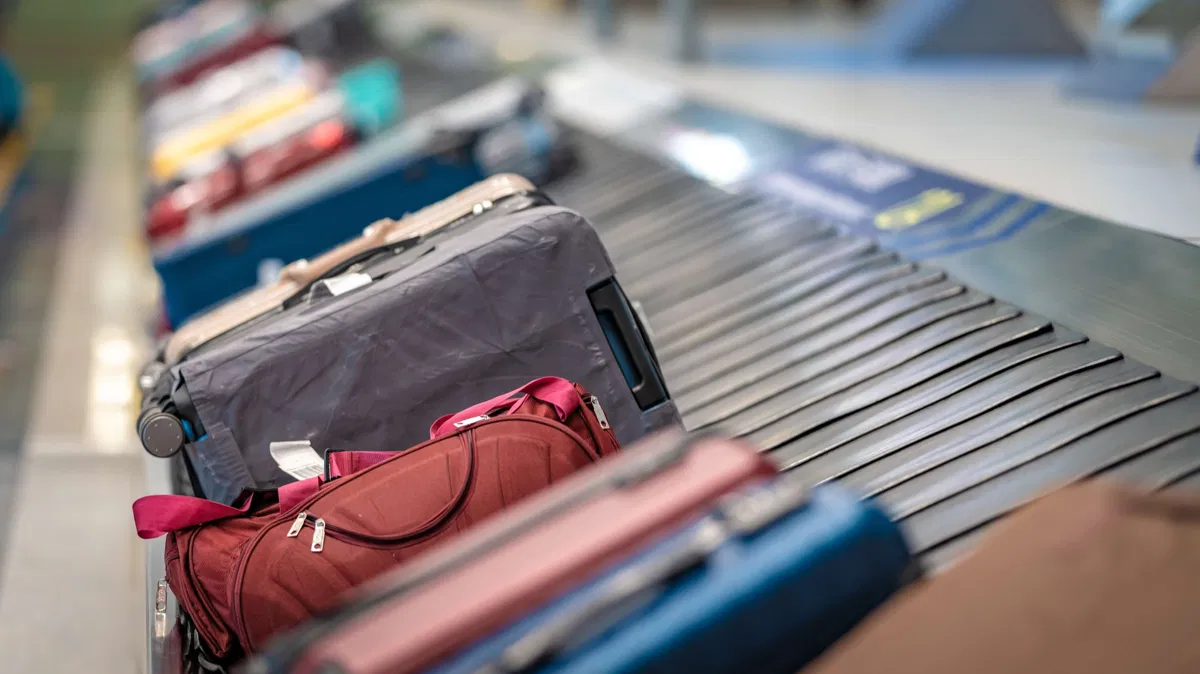
According to the TSA, battery-powered e-cigarettes, vaporizers, vape pens, atomizers, and other electronic nicotine delivery systems are only allowed in the aircraft cabin, meaning your carry-on bag or on your person.
It doesn't matter how small the device is, whether the battery is charged, or how little e-liquid is left inside. If it has a battery, it belongs in the cabin with you. Don't pack it in your checked luggage.
The problem is the lithium battery
The reason comes down to the batteries. The FAA prohibits any lithium-powered devices in checked bags because lithium-ion batteries pose a fire risk. Maybe you’ve even read a headline or two about fires caused by a random faulty vape battery.
If something happened with a vape battery in the plane’s cargo hold, it would be much harder to detect than if an issue occurred in the cabin. In the cabin, if a battery did randomly catch on fire, staff are trained in proper procedures to keep passengers safe.
TSA rules limit lithium-ion (rechargeable) batteries to a rating of 100 watt-hours (Wh) per battery.
Your e-cig should definitely be under the limit, but double-check the fine print to be sure.
The rules about spare e-cigarette batteries
And yes, if you usually carry a few emergency vape batteries with you at all times, they must also live in your checked baggage—even if they aren’t hooked up to the cart.
All lithium batteries, no matter their size or the device they power, have to come with you in your carry-on luggage.
Protect the batteries from damage
Because damaged lithium batteries are linked to fire risk, you’ll also want to protect your vape from damage. That means loose change, keys, and anything else sharp and pointy in your backpack or carry-on duffel bag.
Most airlines recommend keeping your e-cig in its retail packaging and protecting it from metal items in your bag that could short-circuit the battery terminal. Keep your vape's battery in a dedicated case, or tape over exposed contacts, so it isn't rattling around next to your keychain.
Can You Bring Vape Juice on a Plane?
So, you’ve placed your e-cig vape battery inside your carry-on. Now, what about the vape juice?
Like your mini shampoo and your bottle of sunscreen, e-liquid counts as a liquid for security purposes. Vape juice falls under TSA's standard 3-1-1 rule for carry-ons: each container must be 3.4 ounces (100 milliliters) or smaller, and all your liquid containers must fit inside one quart-sized, clear, zip-top bag.
Most standard e-liquid bottles (30ml nicotine salts, 60ml freebase juice) fit comfortably within that limit.
But unlike the e-cigarette battery rules, you do have the option to pack e-liquid inside a checked bag, where the 100ml cap doesn't apply. So, if you’re carrying bulk or want to bring a ton of flavor options, this is the best way to go!
How to pack e-liquid to prevent leaks
Worst-case scenario, the only issue you might encounter with e-cigarette liquid is accidental leakage. Like the bottle of sunscreen that exploded in your bag on the way to Florida, e-liquid containers can also be affected by cabin pressure changes during takeoff and landing, which can cause bottles to leak or tanks to weep e-liquid.
Here are a few ways to prevent accidents on your next flight:
- Keep bottles upright and sealed tightly inside a Ziploc bag.
- Empty the tank or pod before your flight if you're worried about leaks (if you’re flying within the US, you’ll be able to stock up almost anywhere you land).
- Pack bottles in a separate pouch from electronics, in case of a spill.
Can You Vape on a Plane?

Definitely not. No matter which way you look at it, vaping is prohibited on planes (including in the lavatory). All commercial airlines and the FAA treat this the same as smoking a cigarette.
Smoking has long since disappeared from commercial flights, but vaping falls under the same rules. Think twice before sneaking off to the restroom for a quick puff. If you are caught, you could face a hefty federal fine, removal from the flight, and potentially being barred from flying with that airline in the future.
What About Flying Internationally With a Vape?
Although at this point, vaping is a global technology, the rules get fuzzy about flying with a vape when you travel internationally. Every country, even those you just have a layover in, sets its own rules for nicotine vapes. And let's just say, they vary widely.
Some countries restrict nicotine e-liquid concentration, while others require you to declare devices at customs, and a handful (Thailand, India, Singapore, just to name a few) ban vapes outright.
Before booking any international trip, check the vaping regulations for both your final destination and any countries where you'll have a layover. Nobody wants issues with airport security or customs; it’s always stressful and can be a huge disruption to your trip.
Check local embassy or consulate websites as well as your airline's travel advisories before packing.
Quick Tips for Traveling With a Nicotine Vape
So, can you bring vapes on a plane? Let’s review the rules about flying with a nicotine vape:
- Always keep vapes and any vape batteries in your carry-on. Never pack them in checked luggage.
- Always protect batteries and devices. Power off, separate from the device if possible, and shield the battery terminals from metal objects.
- Always follow TSA’s liquid limits for vape juice in carry-on baggage. E-liquid containers must be 3.4oz (100ml) or under and fit in your quart-sized carry-on bag.
- Never, ever vape onboard. This includes the lavatory; it's prohibited gate to gate.
- Always check airline and destination rules. Regulations can vary by carrier and by country, so confirm before you fly.
Can I put a nicotine vape in my checked bag?
No. TSA rules clearly mandate that vaping devices with a battery must stay in your carry-on or on your person. Vape batteries and devices are not permitted in checked luggage.
How much vape juice can I bring?
In your carry-on, each e-liquid container must be 3.4oz (100ml) or smaller and fit within your one-quart liquids bag. Larger bottles can go in checked luggage, where the 100ml limit doesn't apply.
Can I bring vape batteries?
Yes, spare batteries are allowed in carry-on baggage only, up to 100 Wh without restriction. Your e-cigarette batteries should fall well under this limit, but check the fine print to confirm.
Can I vape on an airplane?
No. Vaping isn't permitted at any point during a commercial flight, including in the restroom.
Can I charge my e-cigarette on a plane?
No. Due to the risk of fire, charging an e-cig device isn't permitted at any point during a commercial flight.